Project Sheluka Update: 143 Water Pumps Now Serving Communities in Western Zambia
A Small Leather Seal Supporting a Growing Clean-Water Initiative
When we first shared the story of Project Sheluka, we talked about how a relatively simple engineering solution was helping bring reliable water to remote communities in western Zambia. Today, we’re pleased to share an update from the field.
Project Sheluka has now installed 143 Barotse Strong Pumps on the Matebele Plain, with plans underway to install as many as 125 additional pumps. The long-term goal is to reach every village in the region with access to a reliable hand-operated water pump. For Monarch-McLaren, this project is particularly meaningful because our leather sealing components are part of the pump system helping make that possible.
From 116 Pumps to 143—and Growing
Project Sheluka’s work began with a simple premise: remote communities need a water solution that is reliable, practical, and capable of being maintained locally. The project developed the Barotse Strong Pump, a hand-operated pump designed specifically for the conditions of the region. Rather than relying on complicated equipment or infrastructure that may be difficult to repair in remote areas, the project emphasizes simple technology and local maintenance. That approach has allowed the program to expand steadily.
Project Sheluka previously reported 116 pump installations serving more than 8,000 people. The latest field update brings the total to 143 installed pumps, with the project estimating that the systems have now changed the lives of nearly 10,000 people in remote western Zambia. The next phase could add as many as 125 more pumps.
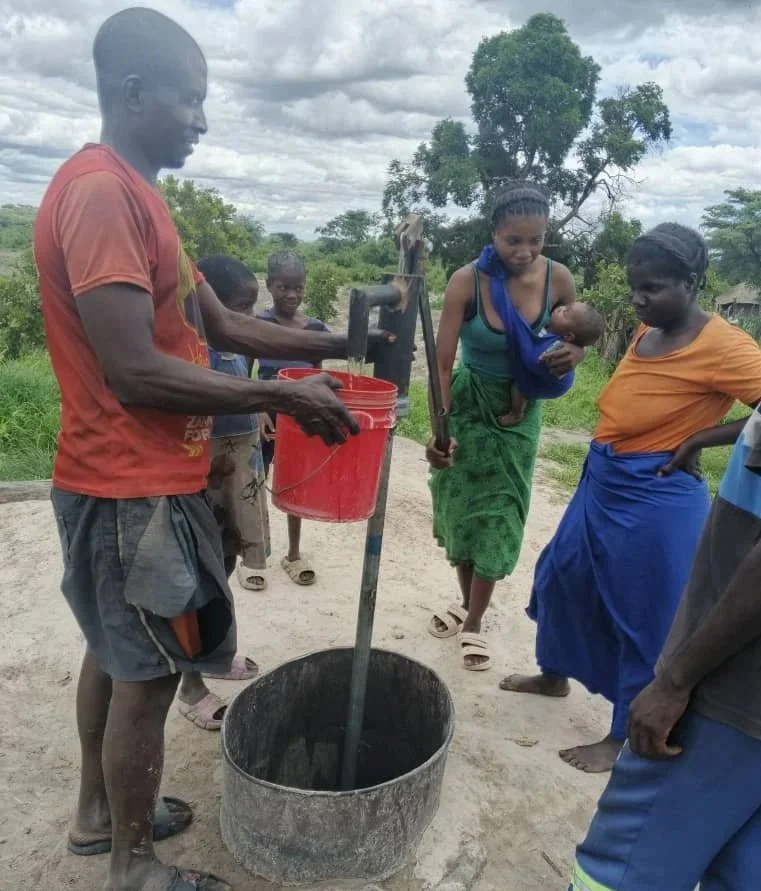
Where Leather Seals Fit Into the System
A hand pump may look relatively simple from the outside, but reliable operation depends on many individual components working together. Among those components are the leather seals used within the pump.
Monarch-McLaren supplies the leather sealing components used in the Barotse Strong Pumps. These seals are designed to provide reliable performance in a system that is used repeatedly in demanding conditions and may be located many miles from conventional infrastructure or repair facilities. That makes component reliability particularly important. A sealing component may be small compared with the overall pump, but its performance can have an outsized impact on whether the system continues to deliver water.
Project Sheluka’s field experience reinforces that point. Following a recent maintenance visit, the project team reported that improvements to other pump components have reduced maintenance requirements, leaving the leather seals as one of the components expected to require periodic replacement. In a remote water system, that isn’t necessarily a weakness. A component that can be routinely maintained and replaced locally can be an important part of designing a sustainable system.
Engineering for the Real-World Application
One of the aspects we find most compelling about Project Sheluka is that the pump was not designed in isolation from its environment. The project has focused on creating a system appropriate for remote communities where electricity and conventional infrastructure may not be available.
Project Sheluka describes its approach as intentionally simple: use equipment that can be repaired and maintained in the village rather than depending on technology that becomes unusable when something breaks.
The project also works with local communities during installation and trains village members in pump maintenance and repair. Once installed, the wells become village property. That combination of simple engineering, maintainability, local involvement, and appropriate materials is what makes the project particularly interesting from an engineering perspective.
Why the Sealing Component Matters
Sealing components are often among the smallest parts of a larger mechanical system. Yet they can determine whether pressure is maintained, fluid is controlled, friction is managed, and moving components continue to perform as intended. Leather remains useful in applications like this because of the characteristics that have made it a proven sealing material for generations.
Depending on the application, leather can provide a useful combination of:
- Flexibility
- Toughness
- Abrasion resistance
- Low friction
- Resistance to cold flow
- Ability to conform to mating surfaces
- Long service life
- Adaptability through treatment and impregnation
In the case of Project Sheluka, the goal isn’t simply to use a traditional material. It’s to use a practical sealing material within a larger system designed around reliability, maintainability, and real-world conditions.
Looking Ahead
The latest update from Project Sheluka is encouraging, but there is still considerable work ahead. With plans for as many as 125 additional pumps, the project is continuing toward its goal of providing reliable water access to every village in the region.
For Monarch-McLaren, we’re proud to contribute a relatively small component to an effort with a much larger impact. It’s a good reminder that engineering isn’t always about the biggest component or the most complicated technology. Sometimes, the right small component can help make a simple system work—and a working system can make a tremendous difference in people’s lives.
Learn More About Project Sheluka
Project Sheluka continues to document its work in the field, including recent pump installations, maintenance efforts, and the ways communities are using the systems.
Read the latest Project Sheluka field update here.
To learn more about Monarch-McLaren’s role in the project and our leather water well cup packings, visit our original Project Sheluka Water Well Pump Installations story.
For more information about leather seals, well cup packings, and custom sealing components, contact Monarch-McLaren to discuss your application.